Norfolk Town was bought in 1682, became a borough in 1736 and a city in 1845. Every National Register listing by year, plus the MacArthur Memorial and Moses Myers House.
Last checked Oct. 19, 2026. Facts come from the City of Norfolk’s history Neighborhoods: Norfolk to 1845 (PDF), the Virginia Department of Historic Resources’ Norfolk register entries, the MacArthur Memorial and the Chrysler Museum of Art. Every date below is from those sources.
Norfolk began as a 50-acre town site. In 1680 the Virginia Assembly, at the insistence of King Charles II, ordered a town in every county; the Lower Norfolk County Court sent its surveyor, John Ferebee, to lay one out where the Eastern Branch meets the Elizabeth River. In 1682 the county bought the land from Nicolas Wise and established “Norfolk Town,” the city’s history of the town says. The original town ran roughly from today’s City Hall Avenue south to the river.
Who to call
- MacArthur Memorial: macarthurmemorial.org, free, 10 a.m. to 5 p.m. Tuesday through Saturday
- Historic districts and preservation: City Historic Preservation Officer, 757-803-5379
- City cemeteries and burial records: Bureau of Cemeteries, 238 E. Princess Anne Road; search burial records
- State register questions: Virginia Department of Historic Resources
From town to city
- 1680: the Virginia Assembly orders a town site in each county.
- 1682: Lower Norfolk County buys the land and establishes Norfolk Town.
- 1736: Norfolk becomes a borough and gets its own local government; until then the county governed it.
- French and Indian War years: the town’s most significant growth; its population rose from 1,000 to 6,000 by the American Revolution.
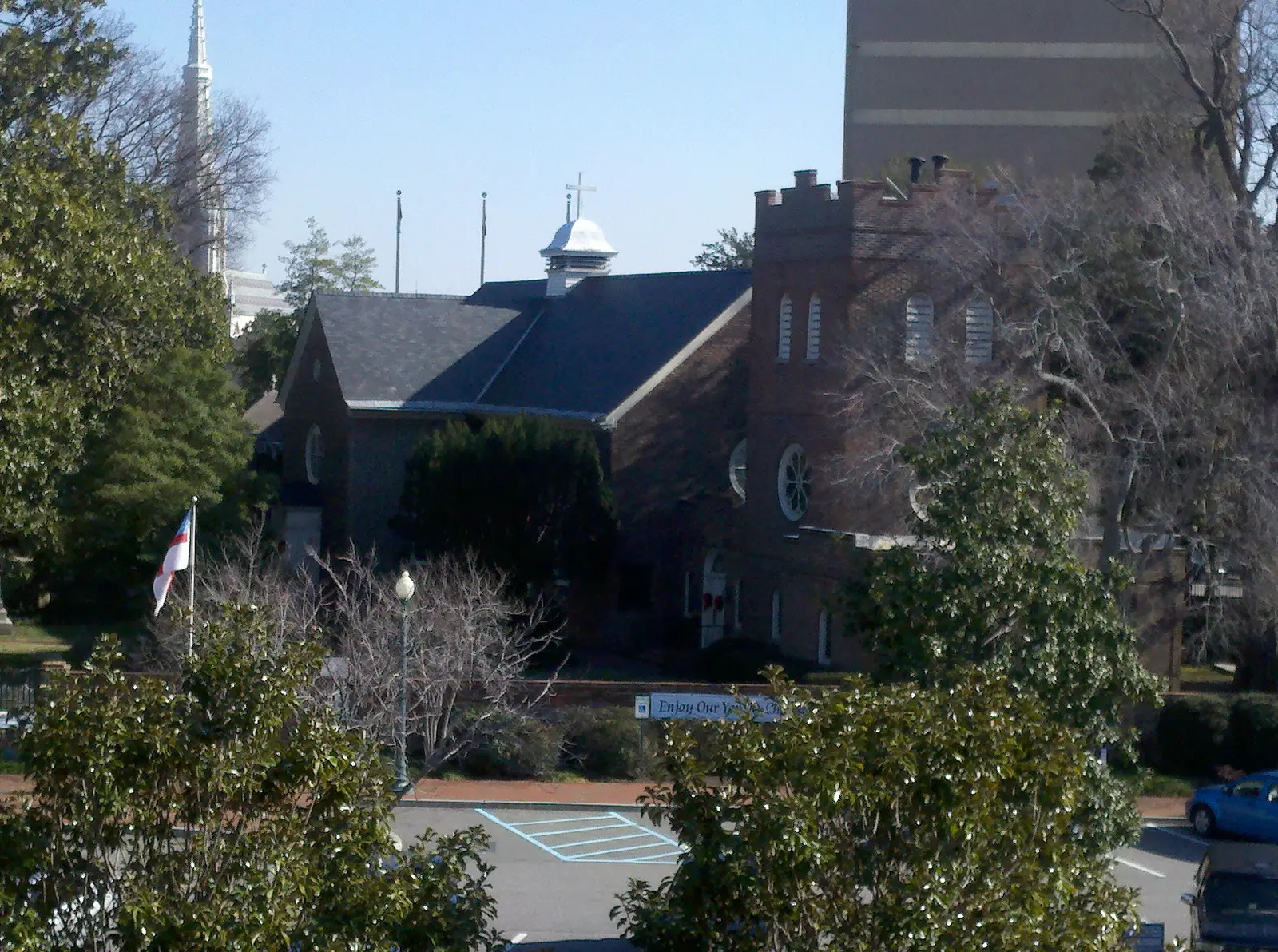
- Revolutionary War: Lord Dunmore fired on rebels in Norfolk, who burned buildings in retaliation. St. Paul’s Episcopal Church is the only original structure that survived.
- After the war: merchants such as William Willoughby and Moses Myers rebuilt downtown; by 1800 the borough looked like a permanent settlement again.
- Early 1800s: a British attack on the ship Chesapeake led Thomas Jefferson to end export trade, and the War of 1812 halted the port’s recovery.
- 1845: with more than 10,000 people, Norfolk petitioned successfully to become a city.
The city is running a Norfolk 250 program this year.
Museums and landmarks you can visit
- MacArthur Memorial, downtown in the old Norfolk City Hall (listed on the National Register in 1972). A museum, archive, education center and theater about Gen. Douglas MacArthur and those who served with him. Free; open 10 a.m. to 5 p.m. Tuesday through Saturday. The research center is open 10 a.m. to 5 p.m. weekdays, with appointments recommended, though its library and archives closed to in-person research from July 1 while collections move, the memorial says.
- Moses Myers House, 323 E. Freemason St., listed in 1970. Run by the Chrysler Museum of Art, it is the oldest Jewish home in America open to the public as a museum. Open noon to 5 p.m. Saturday and Sunday, the museum says.
- Chrysler Museum of Art, One Memorial Place, a free art museum with free glassmaking demonstrations at noon Tuesday through Sunday at its Perry Glass Studio.
- St. Paul’s Church, listed in 1971, the survivor of 1776.
- Fort Norfolk, listed in 1976.
- USS Wisconsin, the battleship, listed in 2012.
Historic districts
Norfolk has 18 historic districts on the National Register, from the West Freemason Street Area (1972) and Ghent (1980) to Downtown Norfolk (1987), Riverview (1999), Colonial Place (2002), Park Place (2006) and the Downtown Norfolk Financial Historic District (2023). Exterior work in Norfolk’s local historic districts needs a Certificate of Appropriateness from the Architectural Review Board. See our permits and zoning guide.
Cemeteries
Three historic cemeteries are on the National Register: Saint Mary’s Catholic Cemetery (2001), West Point Cemetery (2007) and Elmwood Cemetery (2013). The city’s Bureau of Cemeteries keeps searchable burial records.
National Register of Historic Places listings
Every Norfolk listing on the National Register, with the year it was listed, from the Virginia Department of Historic Resources. Many are private homes; view them from the street and respect owners’ privacy.
The Presidential Yacht Sequoia was also named a National Historic Landmark in 1987. The De Paul Hospital Complex Historic District is on the Virginia Landmarks Register but not the National Register.
What this means for you
- The MacArthur Memorial is free and downtown; go on a weekday morning.
- The Moses Myers House is open on weekend afternoons only.
- Live in a historic district? Check with the preservation office before exterior work.
Related: parks and trails, things to do this month and moving to Norfolk.
Frequently asked questions
When was Norfolk, Virginia, founded?
Lower Norfolk County bought the town site from Nicolas Wise in 1682 and established Norfolk Town, after a 1680 act of the Virginia Assembly required a town in each county. Norfolk became a borough in 1736 and a city in 1845.
What is the oldest building in Norfolk?
St. Paul’s Episcopal Church is the only original structure that survived the destruction of Norfolk during the Revolutionary War, according to the city’s history of the town.
How many National Register of Historic Places listings are in Norfolk?
The Virginia Department of Historic Resources lists 70 Norfolk properties and historic districts on the National Register, from the Moses Myers House in 1970 to Talbot Park Apartments in 2025, plus a multiple property listing for the city’s garden apartments.
Is the MacArthur Memorial free?
Yes. Admission is free. The museum and visitor center are open 10 a.m. to 5 p.m. Tuesday through Saturday.
When is the Moses Myers House open?
Noon to 5 p.m. Saturday and Sunday, at 323 E. Freemason St., according to the Chrysler Museum of Art, which runs it.
Have your say